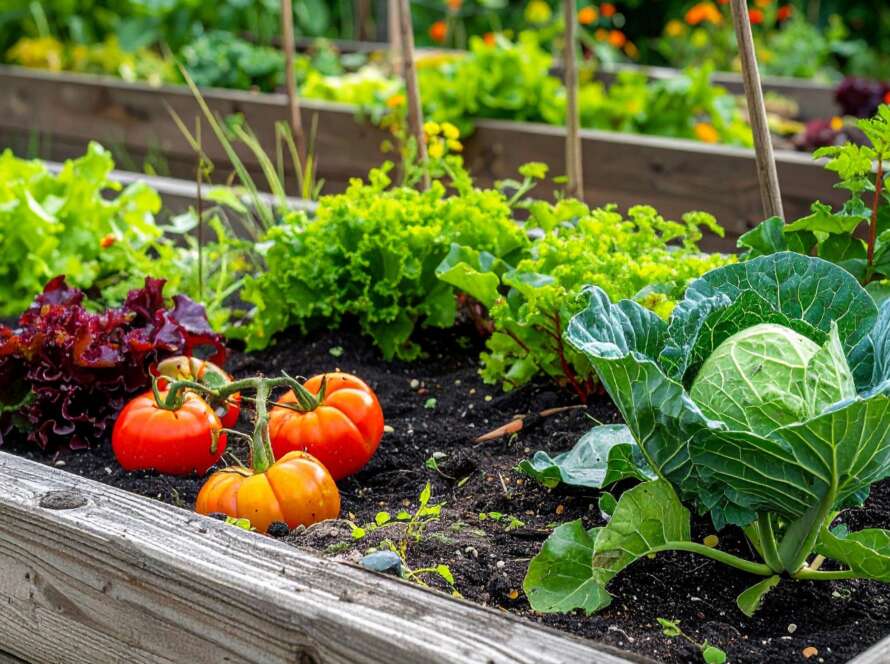


Growing fruit at home is one of the most satisfying ways to make a garden feel more rewarding. Even a small outdoor space can produce fresh, flavorful harvests when the right fruit plants are chosen. Many people assume fruit gardening requires a large backyard or orchard-style setup, but that is not true. With smart planning, containers, and compact varieties, fruit can thrive in small gardens, patios, balconies, and even tiny courtyards.
The key is selecting fruits that suit limited space and local climate conditions. Some plants naturally grow compact, while others can be trained vertically along trellises or fences. Many fruit varieties also produce well in pots, making them perfect for gardeners who want flexibility.
Small garden fruit growing offers more than just food. It adds beauty through blossoms, attracts pollinators, and encourages healthier eating. Whether someone wants a few berries for snacks or a dwarf fruit tree for seasonal harvests, small gardens can absolutely support fruit-growing success with the right choices and care.
Strawberries: The Perfect Beginner Fruit for Small Spaces
Strawberries are one of the easiest and most rewarding fruits to grow in a small garden. They thrive in containers, hanging baskets, raised beds, and vertical planters. Because they do not require deep roots, they are ideal for gardeners with limited soil space. Strawberries also grow quickly, making them satisfying for beginners who want visible results within a short time.
Another advantage is their flexibility. Strawberries can be planted along garden borders, in window boxes, or even in stackable planters. They produce attractive green leaves, small white flowers, and bright red fruit, which makes them decorative as well as productive.
Strawberries also respond well to regular care. With enough sunlight, consistent watering, and occasional feeding, they can produce multiple harvests. Some varieties, known as everbearing strawberries, continue producing throughout the season.
Within the broader world of small garden fruit growing and home planting ideas, strawberries are one of the most recommended options because they combine simplicity, beauty, and strong yield. For small-space gardeners, they are a practical fruit that feels genuinely rewarding.
Blueberries: A Container-Friendly Fruit With Big Benefits
Blueberries are an excellent choice for small gardens, especially when grown in pots. They offer delicious fruit, beautiful foliage, and strong nutritional value. Blueberry bushes are known for producing antioxidant-rich berries, and they also provide seasonal beauty, often turning red or orange in autumn.
The key to growing blueberries successfully is soil acidity. Blueberries thrive in acidic soil, which makes container growing even more convenient. Gardeners can control the soil mix more easily in pots than in ground beds. Using an acidic potting mix designed for blueberries or acid-loving plants improves success.
Blueberry bushes can be compact, especially dwarf varieties. With proper pruning, they stay manageable in small spaces. They also work well as decorative patio plants, making them ideal for gardens where aesthetics matter.
While blueberries may require a bit more planning than strawberries, they reward gardeners with long-term harvests. A well-maintained blueberry bush can produce fruit for many years, making it a smart investment for small-space gardeners.
Raspberries and Blackberries: Vertical Fruit Growing Made Easy
Raspberries and blackberries can be surprisingly small-garden-friendly when grown properly. Many people imagine these fruits spreading wildly, but with trellising and controlled planting, they can be trained vertically along fences or garden walls. This makes them perfect for narrow gardens or small outdoor areas.
Compact or thornless varieties are especially useful for small gardens. They are easier to manage and safer for households with children. When trained along supports, raspberry and blackberry canes stay neat while producing generous fruit harvests.
These berries also provide strong seasonal benefits. They attract pollinators during flowering and produce fruit that can be eaten fresh, frozen, or used for jams and desserts. The yield is often impressive compared to the space they occupy.
Pruning is important for these plants. Removing old canes and shaping growth ensures healthier production. With consistent care, raspberries and blackberries become one of the best space-saving fruits for gardeners who want high yield without needing large land areas.
Dwarf Fruit Trees: Apples, Lemons, and More in Small Gardens
Dwarf fruit trees are one of the best options for small gardens because they offer the joy of growing tree fruit without needing orchard space. Dwarf apple trees, dwarf citrus trees, and even compact pear trees can grow successfully in containers or small garden beds.
Dwarf trees are bred to stay small while still producing full-sized fruit. They often reach manageable heights, making harvesting easier and pruning more convenient. Some varieties can even be grown in pots on patios or balconies, provided they receive enough sunlight.
Citrus trees such as lemons, limes, and mandarins are popular in warmer climates. In cooler regions, they can be grown in pots and moved indoors during winter. Dwarf apple trees are ideal for temperate climates and can be trained as espalier trees, growing flat along fences for maximum space efficiency.
Dwarf trees take longer to produce fruit than berries, but they offer long-term rewards. They also add structure and beauty to small gardens, acting as both functional and decorative plants.
Figs: A Small Garden Favorite With Mediterranean Charm
Fig trees are often overlooked, but they are excellent for small gardens when grown in containers. Many fig varieties naturally stay compact, and container growth helps control size even further. Figs thrive in warm, sunny conditions and produce fruit with rich flavor and texture.
One reason figs work well in small gardens is their resilience. They tolerate dry conditions better than many other fruit plants, and they can adapt well to pot growing. Fig trees also have attractive leaves, giving them ornamental value.
Figs often produce fruit in late summer or early autumn, making them a seasonal highlight. They can be eaten fresh, dried, or used in cooking. The taste of homegrown figs is often far superior to store-bought ones, which makes them especially satisfying for gardeners.
For small-space gardeners who want something slightly different from common berries, figs offer a unique and rewarding fruit-growing experience.
Grapes and Kiwi: The Best Climbing Fruits for Small Gardens
Climbing fruits are perfect for small gardens because they grow upward instead of spreading across the ground. Grapes and hardy kiwi are two of the best examples. When grown along pergolas, fences, or trellises, they provide fruit while also creating shade and privacy.
Grapevines can thrive in many climates, though they require pruning to keep growth controlled. They produce fruit clusters that can be eaten fresh or used for juice and homemade preserves. Hardy kiwi vines, depending on variety, can also produce sweet fruit with a tropical flavor.
These plants require patience, as they may take a few seasons to establish and produce strong yields. However, once mature, they can become one of the most productive fruit options in a small garden.
For readers interested in practical gardening and outdoor lifestyle ideas for everyday people, climbing fruits offer an exciting way to maximize space. They turn vertical areas into productive growing zones, proving that even small gardens can deliver impressive harvests.
Conclusion
Growing fruit in a small garden is not only possible—it can be highly rewarding with the right plant choices. Strawberries, blueberries, raspberries, and blackberries offer strong yields in compact spaces, while dwarf fruit trees provide long-term harvests without overwhelming a garden layout. Figs bring unique flavor and ornamental beauty, and climbing fruits like grapes and kiwi maximize vertical space for gardeners working with limited ground area. The most important factor is choosing fruits suited to the local climate and available sunlight, then supporting them with consistent watering, pruning, and soil care. Small-space fruit gardening also adds beauty through blossoms, encourages pollinators, and supports healthier eating habits through fresh homegrown produce. With containers, trellises, and compact varieties, even patios and tiny courtyards can become productive fruit-growing spaces. A small garden may not be an orchard, but it can still deliver delicious harvests and year-round satisfaction for home gardeners.